Orlando
Concentration Camp
What is it?
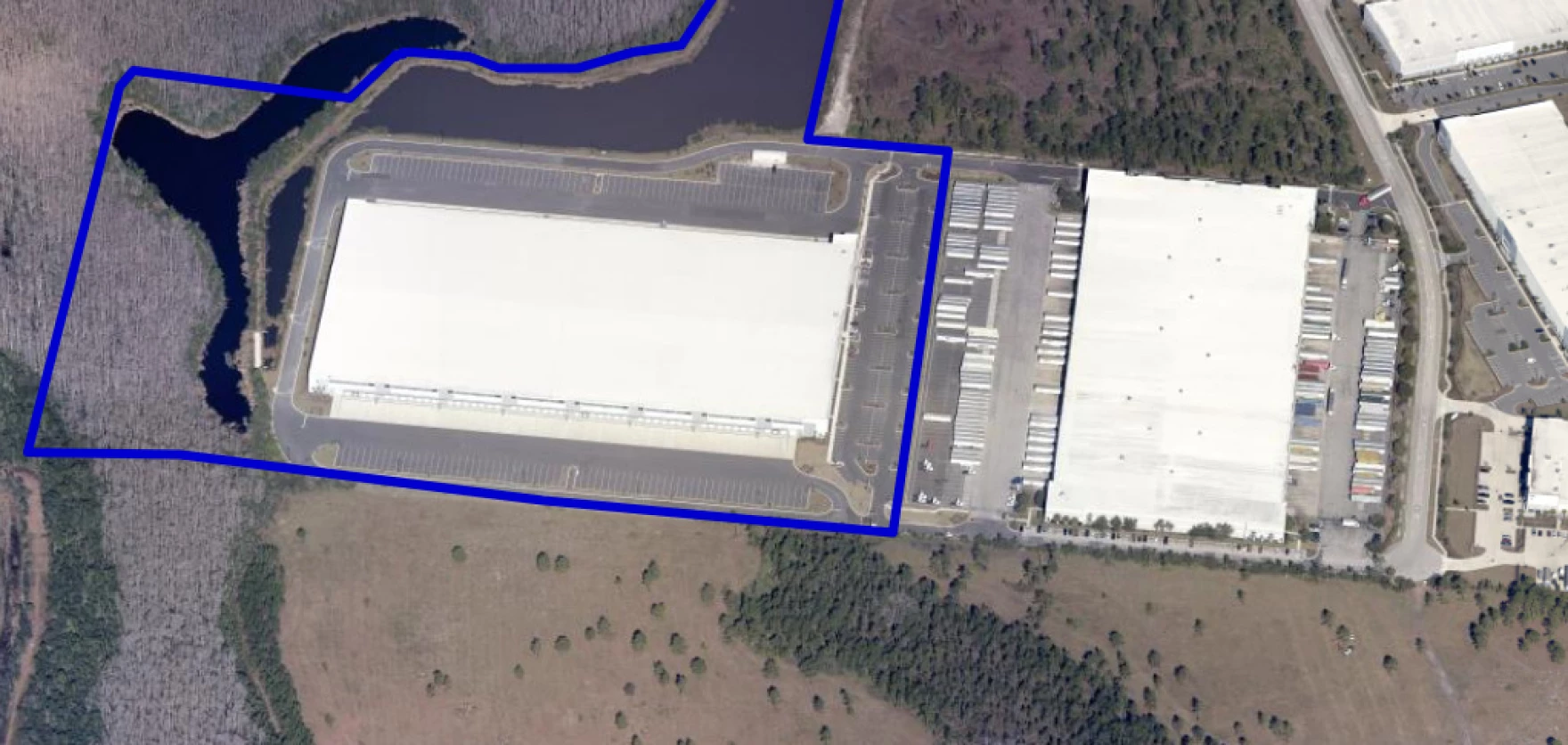
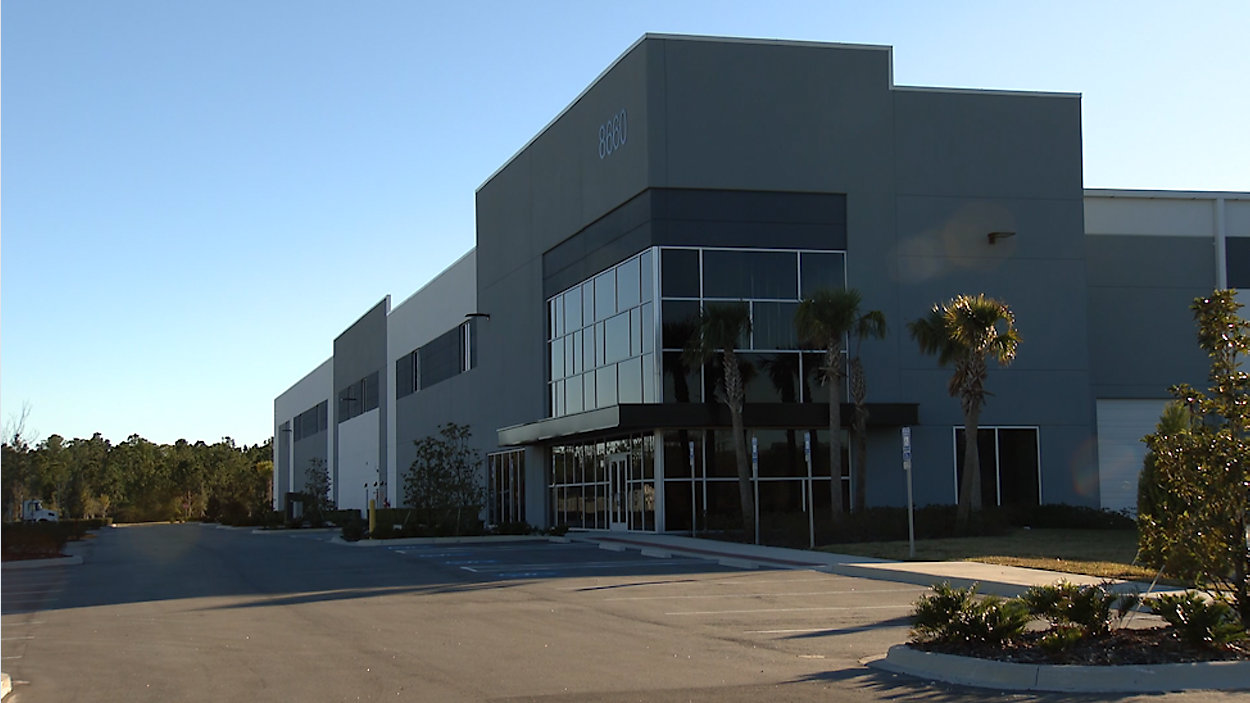
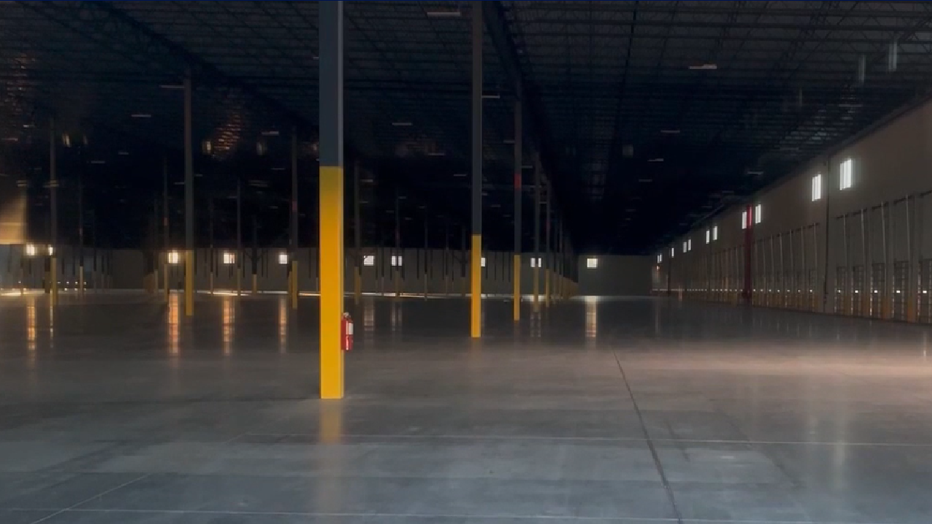
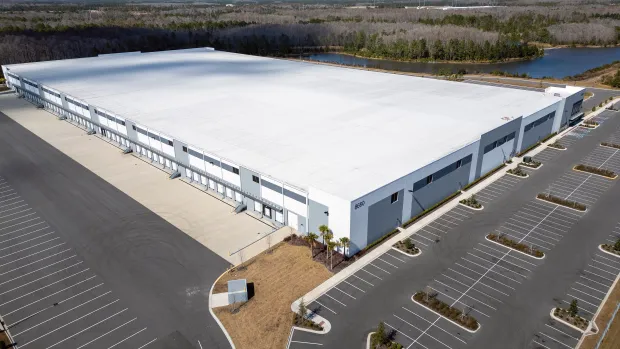
The facility, located at 8660 Transport Dr in east Orange County, Florida, is a 429,000-square-foot industrial warehouse on 40 acres of land between the Lake Nona and Wedgefield districts. Once purchased by the Department of Homeland Security (DHS) it will be converted into an Immigration and Customs Enforcement (ICE) regional processing facility that is expected to hold approximately 1500 people at a time, with each detainee to be held for an average of 3 to 7 days before transfer or deportation.
How is it funded?
Documents indicate that DHS will be paying $99 million to purchase the property from the TPA Group, an Atlanta-based real estate firm. Facilities such as this are being funded through the WEXMAC-TITUS contract vehicle. Worldwide Expeditionary Multiple Award Contract (WEXMAC) is a contract vehicle managed by the Naval Supply Systems Command that is intend to support military operations outside the United States. It was used in the past for evacuating refugees from Afghanistan and supporting Ukraine during the war with Russia. In 2025, it was revised to include "Territorial Integrity of the United States" or TITUS in order to apply the same rapid-deployment contracting mechanism domestically for ICE detention infrastructure and other homeland security operations.
Under WEXMAC-TITUS, DHS and ICE are able to rapidly award task orders for detention infrastructure without traditional bidding processes. This infrastructure includes:
- Conversion of warehouse into mega detention centers
- Establishment of smaller processing facilities
- Awarding contracts for construction, staffing, medical services, and logistics.
- The plan is to establish a nationwide network of detention centers consisting of:
- Eight large-scale "mega centers", each holding 7,000 to 10,000 people, with average stays of about 60 days before deportation.
- Sixteen smaller "processing centers", each holding 1,000 to 1,500 people, where individuals would stay for 3 to 7 days before being transferred.
What is their goal?
The network is expected to hold up to 80,000 people nationwide at any given time (with a goal of expanding the capacity to 100,000 individuals).
This particular facility is thought to be targeting a maximum capacity of 1,500 prisoners at a time.
What's the problem?
Once converted to a detention facility, the Orange County property would require substantially more water and electricity than typical warehouse use. The current zoning approvals were based on low utility demand for storage operations, not human occupancy. The facility would significantly increase demand on local wastewater systems, exceeding existing infrastructure. This massive influx of waste increases the chance of raw sewage overflowing into rivers and streets, potentially polluting waterways in the event of a natural disaster of other mishap, putting public health at risk.
No public environmental review has been released detailing ICE's projected utility consumption and DHS has not conducted or disclosed an Environmental Assessment (EA) or Finding of No Significant Impact (FONSI) for the Orlando site. The City of Orlando has requested an economic and environmental impact study from DHS, but none has been provided. Similar ICE warehouse conversions, such as one in Maryland, have faced lawsuits for bypassing the National Environmental Policy Act (NEPA) review process.
Additionally, Central Florida is prone to extreme weather, including frequent hurricanes. Unless an evacuation plans exist; detainees would be forced to "shelter in place" during disasters, putting them in significant danger. Furthermore, the area also experiences extreme heat throughout most of the year. Critics argue that converting warehouses without climate-specific retrofits poses serious health hazards for the people detained within them. Cooling systems in industrial buildings not designed for human occupancy are likely inadequate to abate the extreme indoor heat that can build up in these large, un-insulated metal warehouse structures.
How do we stop it?
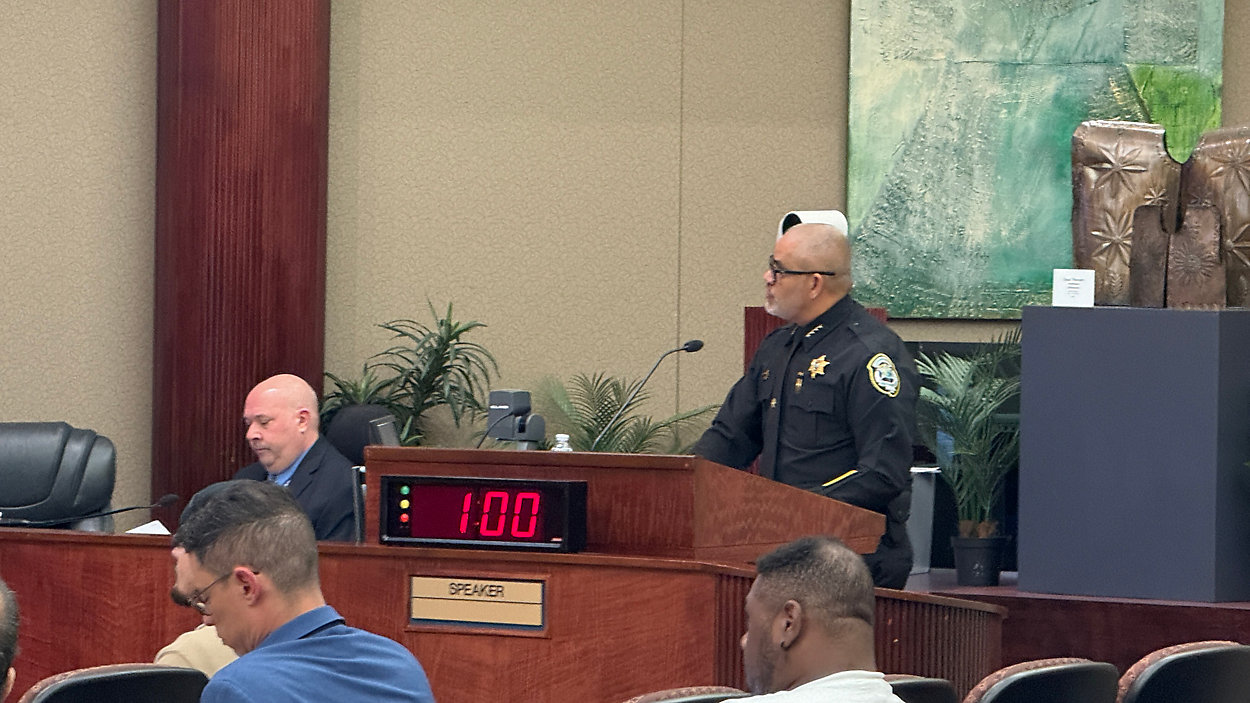
The Orange County Board of County Commissioners unanimously approved a resolution to oppose a detention facility in Orlando. They did this because of public pressure from residents like you. Orlando 50501 is working with multiple immigrants rights groups and lawmakers to defend the people who call Orlando home. Get connected with us to keep up with the latest news and learn about opportunities to make your voice heard.
And, as always, join us at our weekly Progress Hub for the latest updates.